

Education Costs Money, Ignorance Costs More... Welcome to My University Money
%
Financial independence? You're halfway there.
Read our most recent blog posts below

Where to Shop for Furniture in Canada
Furniture shopping in Canada has a learning curve nobody warns you about. When I first needed to furnish a place here, I assumed the options would feel familiar - a few big chains, some discount spots, maybe a local independent or two. What I found was stranger and...
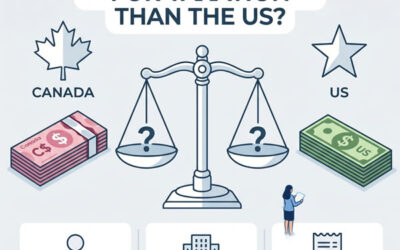
Is Canada Better For Taxation Than The US?
My friend decided to relocate to Seattle in March. He's been sending me screenshots of his paychecks, saying, "this is wild" and "you should see what I'm keeping." I started running the numbers myself after the third screenshot arrived. The "Canada taxes you to death"...

Buying Cheap Fruit In Canada Without Breaking The Bank
I was going to write about something else this week, and then I spent far too long staring at grocery projections like that is a normal hobby for a grown adult. It probably isn't. The 2026 numbers for Canadian groceries are ugly enough to make fruit worth its own...

Best Things You Could Do Right Now to Make Money in Canada
Furniture shows up in the strangest places when you start paying attention. I spotted a listing for a free sectional couch on Kijiji last spring, spent forty-five minutes loading it into a borrowed pickup, and had it sold on Facebook Marketplace for $120 by early...
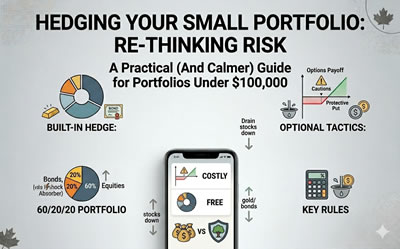
Best Hedging Strategy For Portfolios Under $100,000
Most small investors think “hedging” means buying some kind of market insurance. With a portfolio under $100,000, that assumption usually gets expensive fast, and the math turns against you long before the protection feels comforting. Let’s take a step back. If a 20%...
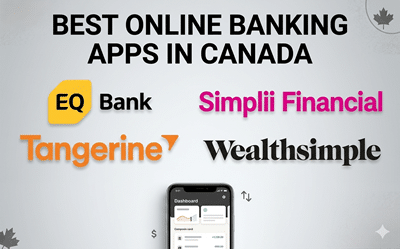
Best Online Banking Apps In Canada
Most Canadians no longer need a “bank” in the old branch-and-paperwork sense, they need an app that moves money quickly, pays a decent rate, and doesn’t make basic tasks weirdly difficult at 9:30 p.m. On a Sunday. That shift is already here. The Canadian Bankers...

Is this the time to diversify into gold?
I have never been one of the doom-and-gloom guys who thinks the financial systems are about the abruptly break down and that we will all go back to the stone age. Never thought the Y2K bug will wipe off all the online financial systems to the ground. Never in my life...

Are Betterhelp & Talkspace Available In Canada? Best Online Therapy Services for Canadians 2025
Whether you're studying at the university or just starting life as a young adult, chances are you have been feeling anxious and stressed at one point or another. This is especially true with so many people having to care for their loved ones and themselves, stay away...

Cheapest Grocery Stores in Canada: Where to Save on Groceries
Like a savvy treasure hunter seeking golden deals, you'll find that maneuvering through Canada's grocery landscape doesn't have to drain your wallet. Rising food costs have made smart shopping more essential than ever, but you've got more options than you might think....

The Tuition Tax Credit Explained
The Tuition Tax Credit can help reduce your tax bill by 15% of eligible tuition fees paid to qualified educational institutions. You'll need to be at least 16 years old and pay more than $100 in tuition fees per institution to qualify. Both full-time and part-time...

Leveraging Co-op Programs to Reduce Student Debt
While scholarships and loans certainly help, co-op programs offer you the unique opportunity to earn substantial income while gaining invaluable industry experience. You'll find that these programs aren't just about making money—they're about building a foundation for...

Canada Apprentice Loan: Maximize Your Benefits
If you're considering a career in the skilled trades, you'll want to understand how the Canada Apprentice Loan Program can work to your advantage. This federal initiative offers up to $4,000 per training period for eligible apprentices in Red Seal trades, but there's...

Financial Aid Options for International Students Studying in Canada
If you're feeling the financial squeeze while pursuing your Canadian education dreams, you're not alone in maneuvering these challenging waters. As an international student, you'll need to demonstrate sufficient funds for your study permit, but that's just the...

Investing Your TFSA as a Student
Just as you're settling into your college routine, you've received your first TFSA contribution notice—and it couldn't come at a better time. You've likely heard about these tax-sheltered accounts but might wonder if investing while juggling classes is worth your...

Navigating OSAP Repayment: Tips for Ontario Graduates
Just as you're celebrating your graduation, your first OSAP repayment notice arrives in the mail - a coincidence that quickly brings you back to financial reality. You're now facing the responsibility of managing your student loan debt, and it's essential to...
Looking for additional content? use our top navigation bar and choose the category you're interested in or hop over to our first time readers page which contains links to our most popular posts on the blog. We are currently in a process of reorganizing the content to our best ability so it will be even easier to find the information you need. Thank you for visiting us and reading. We are eager to read feedback! Please comment on articles you think are comment-worthy, we promise to respond!
- MyUniversityMoney staff